

Signatera™ for Head & Neck Cancers
Head and neck cancer follow-up can include exams, scopes, imaging, and lab work. It can be hard to know what is happening between visits.
Signatera™ is Natera’s personalized ctDNA blood test, also called an MRD test. It looks for small pieces of tumor DNA, called ctDNA, in your blood.
Questions Signateraᵀᴹ may help support in head and neck cancer care
Your doctor may use Signatera™ as one more tool, alongside exams and imaging, to help answer questions like:
- Do you remain at high recurrence risk after surgery or radiation?
- Is there an early signal that your head and neck cancer may be coming back?
- Is your head and neck cancer responding to treatment?

Dr. Duke’s head and neck cancer story
Dr. Duke shares how he and his care team included Signatera™ in his follow-up plan to monitor for signs of recurrence after treatment of squamous cell carcinoma, or tongue cancer. He describes how having ctDNA monitoring as part of his plan helped guide follow-up conversations with his doctors.
What research has found about Signatera™ ctDNA monitoring in head and neck cancers

Assess your risk
>25x
lower risk of death for patients testing Signatera™-negative after initial surgery or treatment vs patients testing Signatera™-positive.1,2

Detect recurrence early
>4
months earlier recurrence detection vs standard imaging.1

Optimize treatment
74%
of recurrent/metastatic patients received less chemotherapy in a Signatera™-guided trial.3
Personalized first, then tracked with blood draws
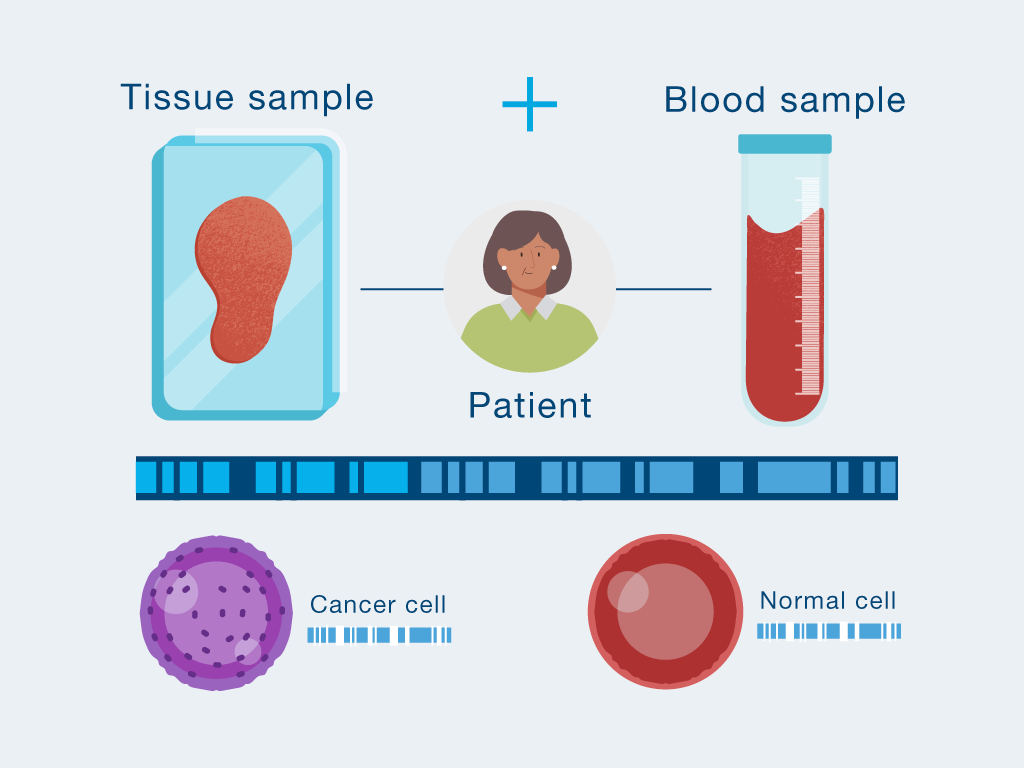
Step 1: Build your test from tumor tissue
A tumor sample is used to create your personalized Signatera test.

Step 2: Test with a blood draw
Your blood is checked for ctDNA that matches your tumor fingerprint.
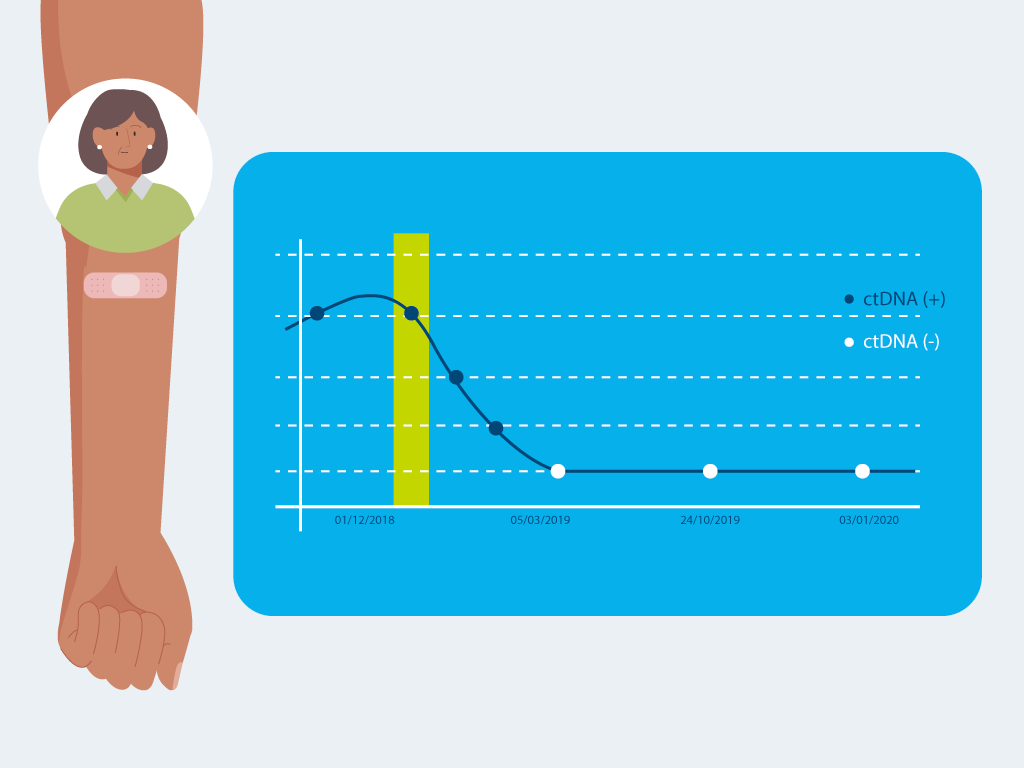
Step 3: Monitor over time
Your doctor may order repeat testing during follow-up to see if results change.
Head and neck cancer support resources
Support matters. The Head and Neck Cancer Alliance offers education and support resources for people living with head and neck cancer, caregivers, and loved ones.
Common questions about head and neck cancers and Signatera™ testing
What is ctDNA?
ctDNA stands for circulating tumor DNA. These are small pieces of DNA that can come from cancer cells and may be found in the blood. A ctDNA blood test looks for that tumor DNA signal.
What is Signatera™?
Signatera™ is Natera’s personalized ctDNA blood test, also called an MRD test. It is built using your tumor tissue, so it is designed to look for DNA that matches your cancer.
Does Signatera™ replace exams, scopes, or imaging?
No. Exams, scopes, and imaging remain essential in head and neck cancer follow-up. Signatera™ is designed to add information, not replace standard monitoring.
What does a positive result mean after treatment?
A positive result means ctDNA was detected at that timepoint. In published head and neck cancer studies involving Signatera™, ctDNA detection after treatment has been linked to a higher risk of progression in the study groups described. A positive result does not confirm a visible recurrence by itself. Your care team will interpret it alongside exams, imaging and your overall history.
What does a negative result mean?
A negative result means ctDNA was not detected at that timepoint. This can be reassuring, but it does not guarantee the cancer will not return. We still recommend following your care team’s full follow-up plan.
Can Signatera™ be used in HPV-positive and HPV-negative head and neck cancer?
Yes. Signatera™ has been evaluated in both HPV-positive and HPV-negative head and neck cancer settings. Your care team can explain how ctDNA monitoring fits your diagnosis and treatment plan.
Can Signatera™ help when imaging is unclear?
In published research, ctDNA testing has been evaluated as an added data point alongside imaging, including after treatment. If there is uncertainty, your care team may consider ctDNA results together with imaging when deciding next steps.
Can Signatera™ be used during immunotherapy?
Signatera™ has been evaluated for monitoring in recurrent or metastatic head and neck cancer treated with immune checkpoint inhibitors. Your care team will decide whether ctDNA trends are useful alongside imaging, symptoms, and other tests.
Do i need tumor tissue for Signatera™?
Yes. Signatera™ is tumor-informed, so it is built using tumor tissue first. After your personalized test is created, follow-up testing is done with blood draws.
Is Signatera™ for Head and Neck cancer right for your patients?
1Peddada R, et al. Post-treatment head & neck cancer surveillance with ctDNA. Pennington Cancer Institute presentation, 2025.
2Natera. Data on file.
3Rosenberg A, et al., Presented at the Multidisciplinary Head and Neck Cancers Symposium, February 2026.