

Signatera™ for Head & Neck Cancers
Personalized, tumor-informed ctDNA molecular residual disease (MRD) testing to inform head and neck cancer patient care
Detect and Monitor ctDNA to Inform Treatment Strategy in HPV-negative and HPV-positive Head and Neck Cancer

Identify
High Risk Patients
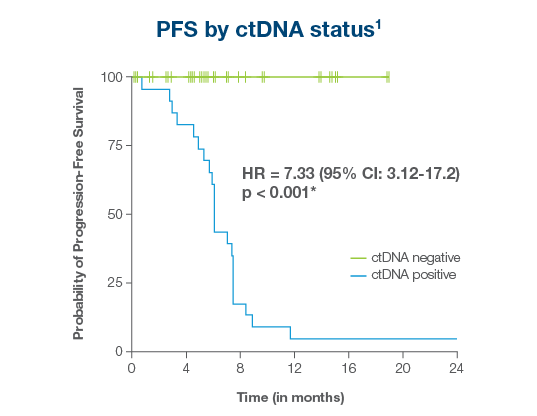
ctDNA-positive patients after definitive therapy achieved just
4.3% PFS
Vs 100% for ctDNA-negative patients1

Detect
Recurrence Earlier
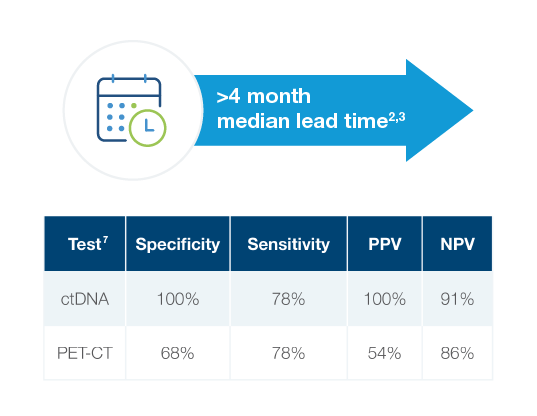
Signatera™ detected recurrence
>4 months
Before standard of care imaging2,3

Monitor Immunotherapy
Treatment Response
ctDNA-positive patients had a
>25x
Higher risk of progression vs ctDNA-negative patients4

WEBINAR
One diagnosis, two perspectives:
A Signatera™ HNSCC story
Monday, September 21st, 2026
4:30 PM PT | 7:30 PM ET
60 minute webinar
Featured Webinar
Dr. James Duke is not a typical physician you will hear from in our webinars. As a retired orthopedic surgeon and an oral squamous cell carcinoma survivor, he brings a rare combination of clinical literacy and lived experience that few patients can offer. Join Dr. Duke and his treating physician, University of Florida Health head and neck surgical oncologist, Dr. Peter Dziegielewski, for a candid and clinically rigorous conversation on Signatera™ MRD testing. This patient and treating physician team will discuss Dr. Duke’s journey through diagnosis, post-treatment surveillance, and what personalized monitoring means for life beyond cancer.
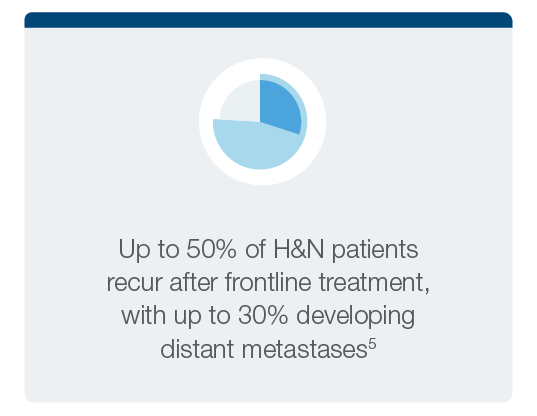
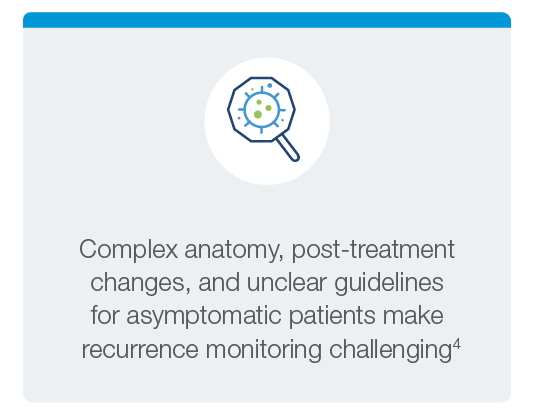
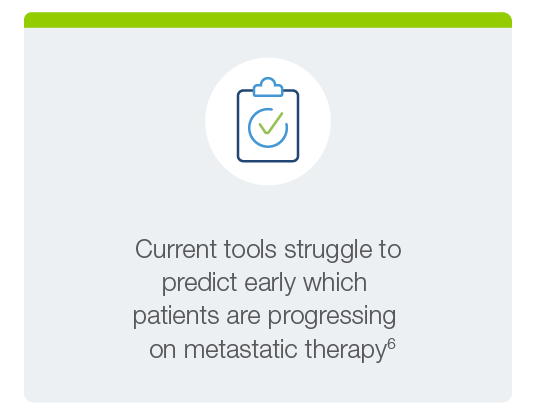
Better Biomarkers are Needed to Help Inform Head and Neck Cancer Patient Management
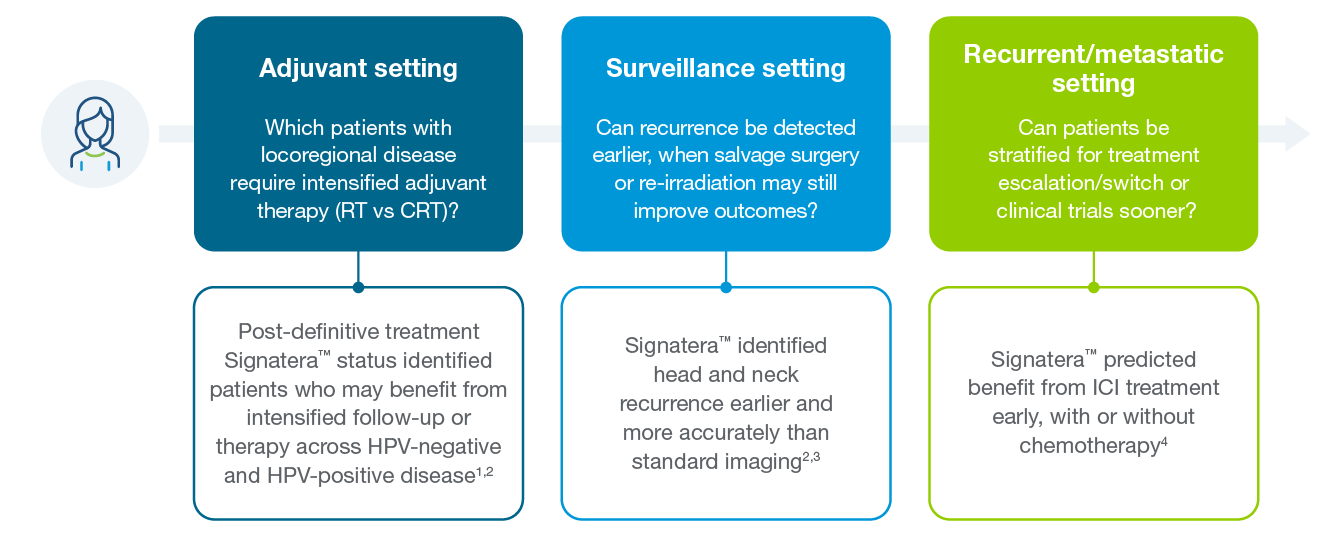
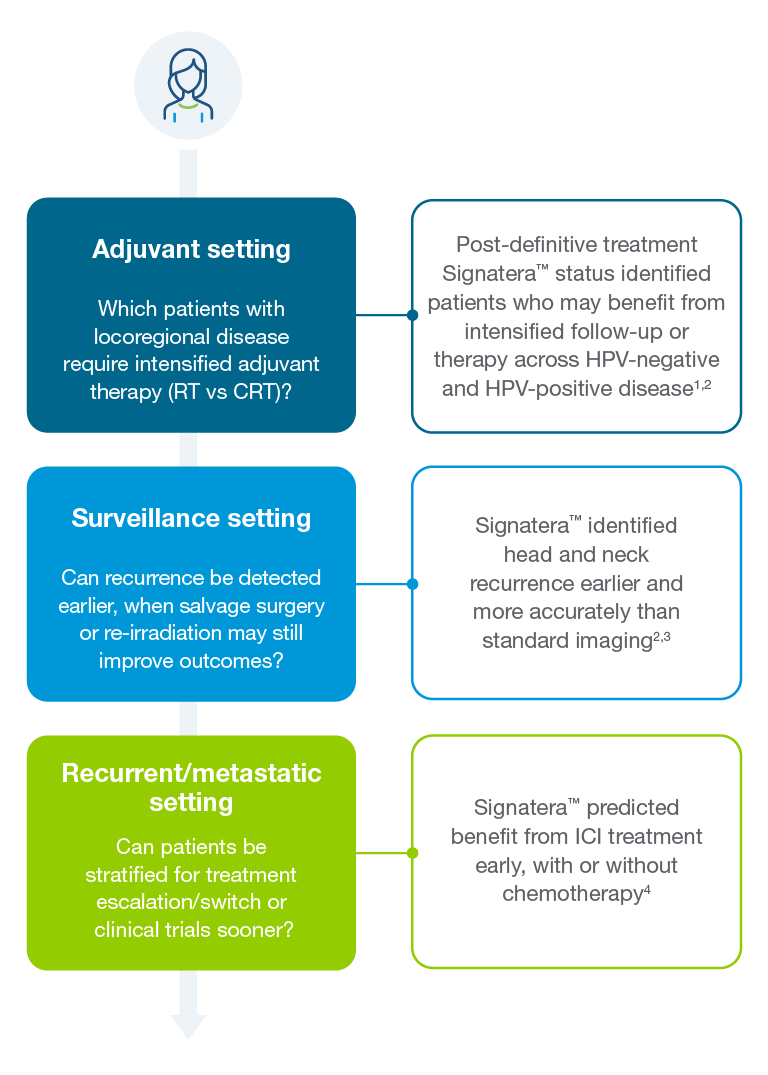
Signatera™ helps inform critical decisions along the continuum of care
Get Started
Identify high risk patients with both HPV-negative and HPV-positive disease
Patients testing Signatera™-positive after therapy experienced a PFS of just 4.3% vs. 100% for Signatera™-negative patients1
- Every HPV-negative patient who tested Signatera™-positive had confirmed persistent or recurrent disease, while every Signatera™-negative patient remained disease free at time of analysis
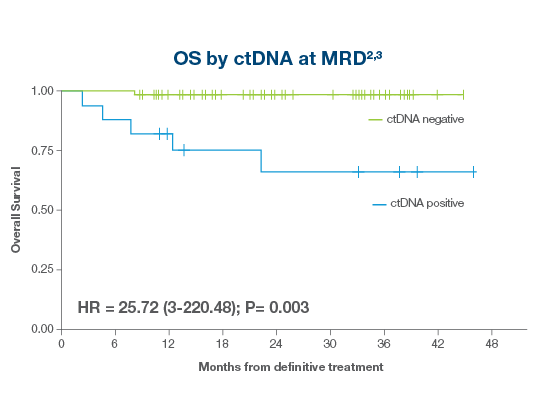
ctDNA-positive patients had a >25x higher risk of death2,3
- HPV-negative and HPV-positive patients testing ctDNA-positive in the MRD window had a >25x higher risk of death, with ctDNA-positive patients experiencing 56% 24-month OS vs 98% for Signatera™-negative patients
Detect recurrence early
Signatera™ identified head and neck recurrence earlier and more accurately than standard of care imaging2,3
- Signatera™-positivity preceded imaging-confirmed progression by a median of 4.44 months2,3
- Signatera™ outperformed PET-CT in detecting recurrence, showing superior specificity and predictive value7
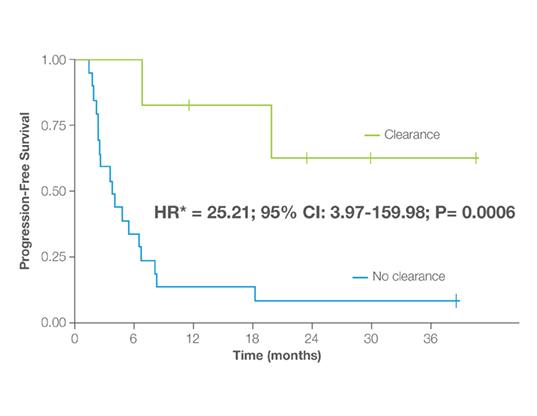
Predict recurrent/metastatic ICI treatment response
Signatera™ predicted benefit from immune checkpoint inhibitor treatment early, with or without chemotherapy4
- A decrease in Signatera™ ctDNA of ≥20% from baseline to week 6-10 of ICI treatment was associated with clinical benefit
- Every patient who cleared ctDNA achieved a complete or partial response and significantly improved PFS and OS
- ctDNA dynamics were the strongest prognostic factor for PFS in multivariate analysis
Is Signatera™ for Head and Neck cancer right for your patients?
1Hanna G, et al. Clinical Cancer Research, 2024. DOI: 10.1158/1078-0432.CCR-24-0590.
2Peddada R, et al. Post-treatment head & neck cancer surveillance with ctDNA. Pennington Cancer Institute presentation, 2025.
3Natera. Data on file.
4Honore N, et al. Clinical Cancer Research, 2025. DOI: 10.1158/1078-0432.CCR-25-1309.
5Ionna F, et al. Cancers. 2021 May 14;13(10):2371. DOI: 10.3390/cancers13102371.
6Calandri M, et al. Journal of Thoracic Disease, 2018. DOI: 10.21037/jtd.2018.05.130.
7Lele S, et al. C.-A.O. (2024). Otolaryngology–Head and Neck Surgery, 171:439–444. DOI: 10.1002/ohn.760.