

Signatera™ for Colorectal Cancer
After surgery or treatment for colorectal cancer, it can be hard to wait between scans and appointments. Signatera™ is a personalized blood test that looks for tumor DNA (ctDNA) in your blood. It is built from your tumor, so it is designed to track your cancer’s unique “fingerprint” over time.

Questions Signatera™ may help support in colorectal cancer
Your doctor may use Signatera™ as one more tool, along with scans and other tests, to help answer questions like:
- After surgery or treatment: Are there signs of cancer still in the body, even if it is too small to show on a scan?
- During treatment (in some cases): Are ctDNA results changing while you are on treatment, along with scans and labs?
- During surveillance: Are there early warning signs that the cancer may be coming back?
In studies in resectable colorectal cancer, ctDNA results were linked with outcomes like recurrence risk and survival. If ctDNA is found after surgery, it can point to a higher risk that the cancer may return, but your doctor will still use scans and other tests to understand what it means for you.
Colorectal cancer survivors share how Signatera™ made a difference in their follow-up
With Signatera™, Jason has been able to manage his Stage IV CRC diagnosis, intervene early, fight smarter, and never stop planning for tomorrow. His team has had an edge in catching recurrence earlier—allowing for less invasive treatment plans and more peace of mind. Jason’s journey isn’t just about surviving—it’s about thriving. Watch his story.
Amanda’s stage IV CRC story
Amanda was diagnosed with stage IV colon cancer during pregnancy. After treatment and surgery, she chose Signatera™ as another form of surveillance. She also shares how flexible blood draw options helped her as a new mom.
Why ctDNA testing matters in colorectal cancer
Scans are important, but very small amounts of cancer can be hard to see. ctDNA testing looks for tiny pieces of tumor DNA in the blood. Signatera™ is tumor-informed, which means it is built using your tumor to help focus on tumor-specific DNA changes.
How Signatera™ works
Timing depends on your cancer type and treatment plan, but Signatera™ is often discussed during or after treatment and during follow-up visits. Because it is personalized, your test is built using tumor tissue first, and then future tests use blood draws over time.
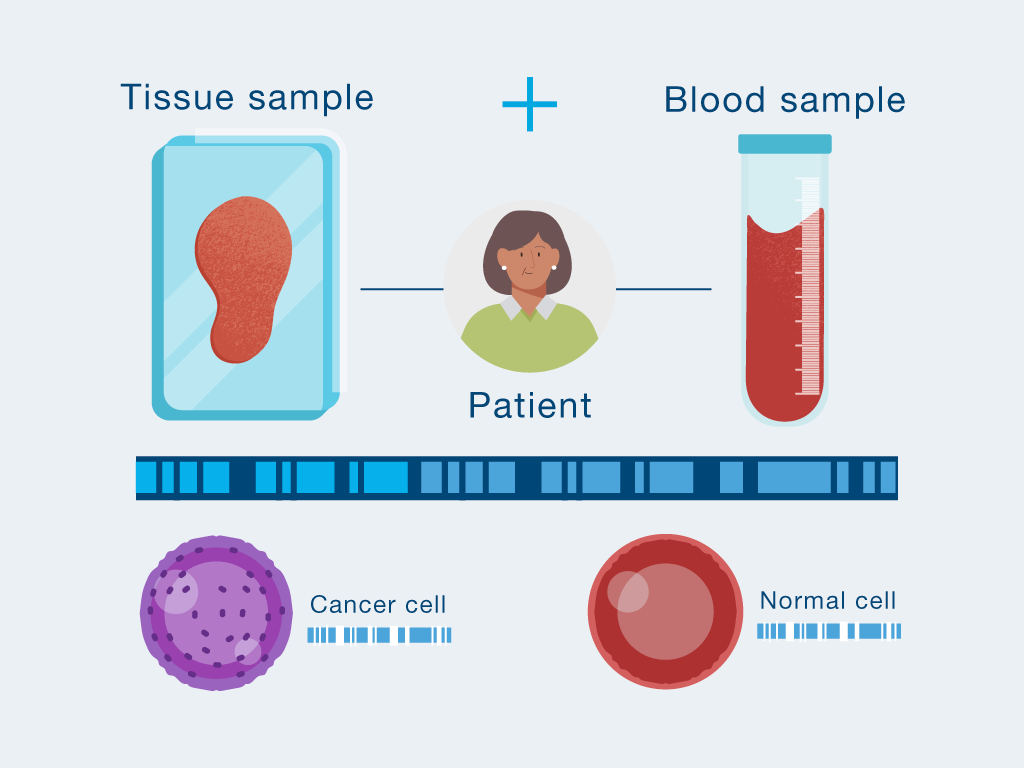
Built from your tumor
Signatera™ is a personalized ultrasensitive ctDNA blood test (also called an MRD test). A one-time tumor sample is used to create your personalized test.

Designed for ultrasensitive detection
Using your tumor tissue, we create a Signatera™ test that is designed to look for your cancer’s specific “fingerprint.” Signatera is designed for ultrasensitive ctDNA detection and uses a tumor-informed method.
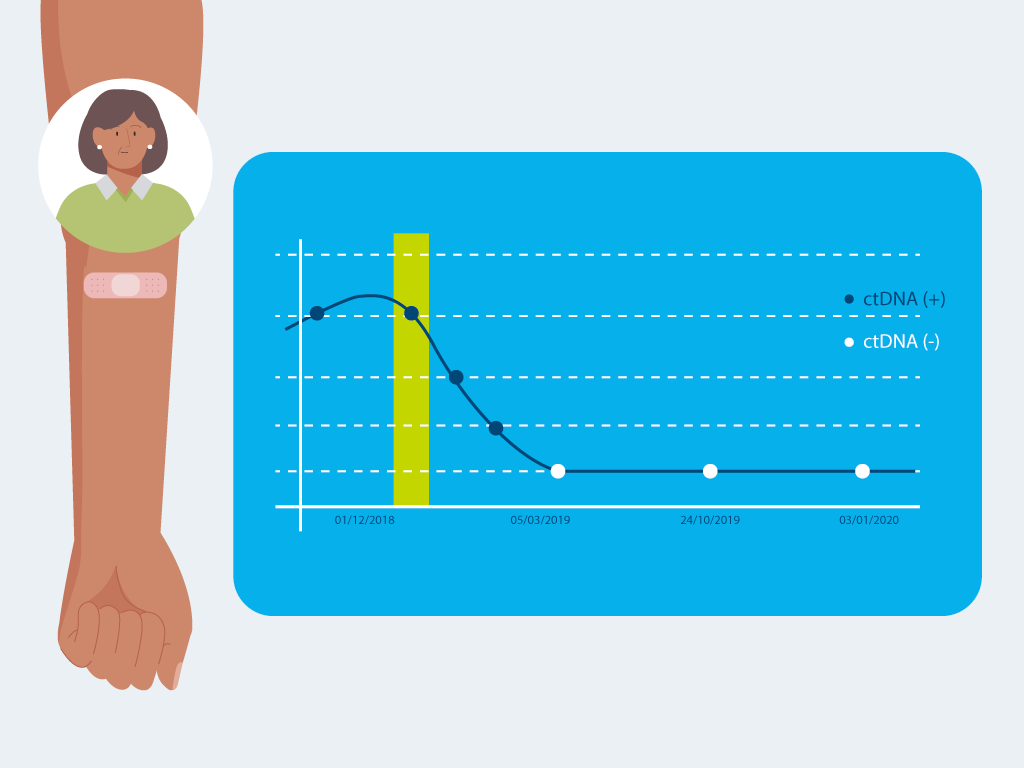
Monitoring during follow-up
After your test is created, Signatera™ can be ordered as part of routine follow-up blood draws. Each time, it checks your blood for small fragments of tumor DNA (ctDNA). After each test, your doctor will review the result with you. Signatera™ works best when it is used regularly over time.
Insurance and Medicare coverage for colorectal cancer
Medicare Coverage
- Signatera™ is covered by Medicare for patients with stage II–IV and oligometastatic colorectal cancer. Natera welcomes many insurance plans and offers financial assistance programs for those who qualify.
FAQs for colorectal cancer patients
What is Signatera™, and what does “ctDNA” mean?
Signatera™ is Natera’s personalized ctDNA blood test (also called an MRD test). ctDNA stands for circulating tumor DNA. These are tiny pieces of DNA that can come from cancer cells and may be found in the blood. Signatera™ is made using your tumor tissue, so it is designed to look for DNA that matches your cancer’s unique fingerprint.
Why would my doctor order Signatera™ after colorectal cancer surgery?
After surgery, there can be cancer cells too small to see on scans. Signatera™ may help your doctor understand your risk by checking whether ctDNA is detected after treatment. Many care teams use it as an added tool during follow-up, alongside imaging, CEA, colonoscopy, and clinic visits.
When is Signatera™ testing done in colorectal cancer?
Timing depends on your care plan. Some patients test after surgery, after chemotherapy, and then during surveillance. Your doctor will decide when to test based on your stage, treatment plan and follow-up schedule.
How often is Signatera™ done during surveillance?
Signatera™ is often used as serial monitoring, meaning it is repeated over time. The schedule is individualized. Your doctor will choose a testing cadence that fits your situation and aligns with your routine follow-up visits and imaging.
Can Signatera™ help guide decisions about chemotherapy after surgery?
It can be part of the discussion. ctDNA results may help your doctor understand risk after surgery and talk through whether more treatment may be helpful. Decisions about chemotherapy also depend on stage, pathology, lymph nodes, margins, other test results, and your overall health.
What does it mean if Signatera™ is positive after treatment?
A positive result means ctDNA was detected. In studies, ctDNA detection after treatment has been associated with a higher chance of recurrence. A positive result does not diagnose a visible recurrence by itself, but it is a sign your doctor may want to look closer and monitor more closely.
What if my CT scan is clear, but Signatera™ is positive?
This can happen because ctDNA can sometimes be detected before a recurrence is visible on imaging. Your doctor may recommend next steps such as repeat testing, earlier imaging, or additional evaluation. Scans and clinical assessment remain essential, and your care team will interpret results together.
What does it mean if Signatera™ is negative?
A negative result means ctDNA was not detected at that time. That is reassuring, but it is not a guarantee the cancer will not return. Your doctor will still follow standard surveillance, including scans and other tests, because no single test provides a complete answer.
Do I still need CEA blood tests, colonoscopy, and imaging if I use Signatera™?
Yes. Signatera™ does not replace standard follow-up. Most colorectal cancer surveillance includes imaging, CEA, colonoscopy (when appropriate), and clinic visits. Signatera™ is designed to add information, not replace these tools.
What is the difference between MRD testing and regular cancer blood tests?
Most standard blood tests (like CEA) measure proteins. Signatera™ measures ctDNA, which is tumor DNA in the bloodstream. It is also personalized using your tumor, which is why it is called tumor-informed MRD testing.
How accurate is Signatera™ for colorectal cancer monitoring?
Signatera™ is a tumor-informed ctDNA (MRD) blood test, built from your tumor tissue to look for DNA that matches your cancer. Accuracy depends on timing and whether testing is repeated. In the CIRCULATE-Japan study (stage II–III colorectal cancer), a single post-surgery Signatera™ test had 67.6% sensitivity, which is why many doctors use serial testing over time. During surveillance, ctDNA detection has been reported as a strong predictor of recurrence risk and has been associated with detecting relapse about 6 months earlier than clinical recurrence in published findings. Your doctor will interpret results alongside scans, pathology, CEA and other follow-up.
Is Signatera™ covered for colorectal cancer?
Medicare coverage exists for certain colorectal cancer settings, including specific stages and clinical situations. Coverage can vary by insurance plan. Natera offers support to help patients understand coverage and potential out-of-pocket costs.
Who can use Signatera™ in colorectal cancer (Stage II, Stage III, Stage IV)?
Eligibility depends on your diagnosis and treatment setting, and on what your doctor is trying to learn (risk after surgery, response to treatment, or surveillance). Your doctor can tell you if Signatera™ fits your stage and care plan.
Is Signatera™ right for you?
We’re here to help you find out
1ctDNA-based molecular residual disease and survival in resectable colorectal cancer. Nature Medicine, 2024