

Signatera™ for Lung Cancer
Personalized, tumor-informed ctDNA molecular residual disease (MRD) testing to predict NSCLC recurrence risk and treatment response.
Signatera™ is covered by Medicare for stage I-III NSCLC surveillance and any patient being treated with immune checkpoint inhibitors.
Detect and monitor residual disease with Signateraᵀᴹ to inform NSCLC patient management

Identify high-risk patients
10x
higher risk of recurrence for patients testing ctDNA-positive after surgery.1

Detect recurrence early
>5
month median lead time to recurrence vs standard imaging.2,3
Predict ICI treatment response
96%
lower risk of death for patients clearing ctDNA by week 9 vs patients with increasing ctDNA.4

WEBINAR
Signatera™ MRD insights for radiation oncology in NSCLC
30 minute webinar
Featured Webinar
Watch our webinar to discover how Signatera™ MRD testing helps determine recurrence risk after curative intent RT/CRT, detects recurrence early, and helps inform non-small cell lung cancer (NSCLC) patient management.
Critical NSCLC patient management questions persist
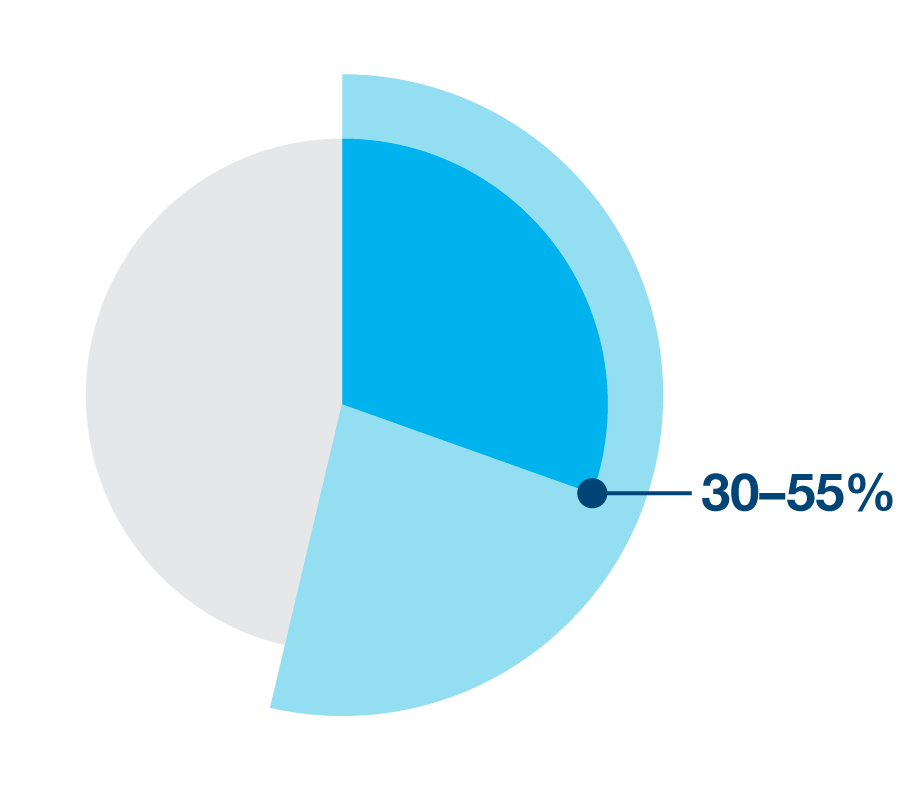
Which early-stage NSCLC patients remain at high risk after definitive surgery or RT/CRT?

Can recurrence be detected earlier, when local intervention may still improve patient outcomes?

Which metastatic patients may be candidates for early treatment escalation or de-escalation?
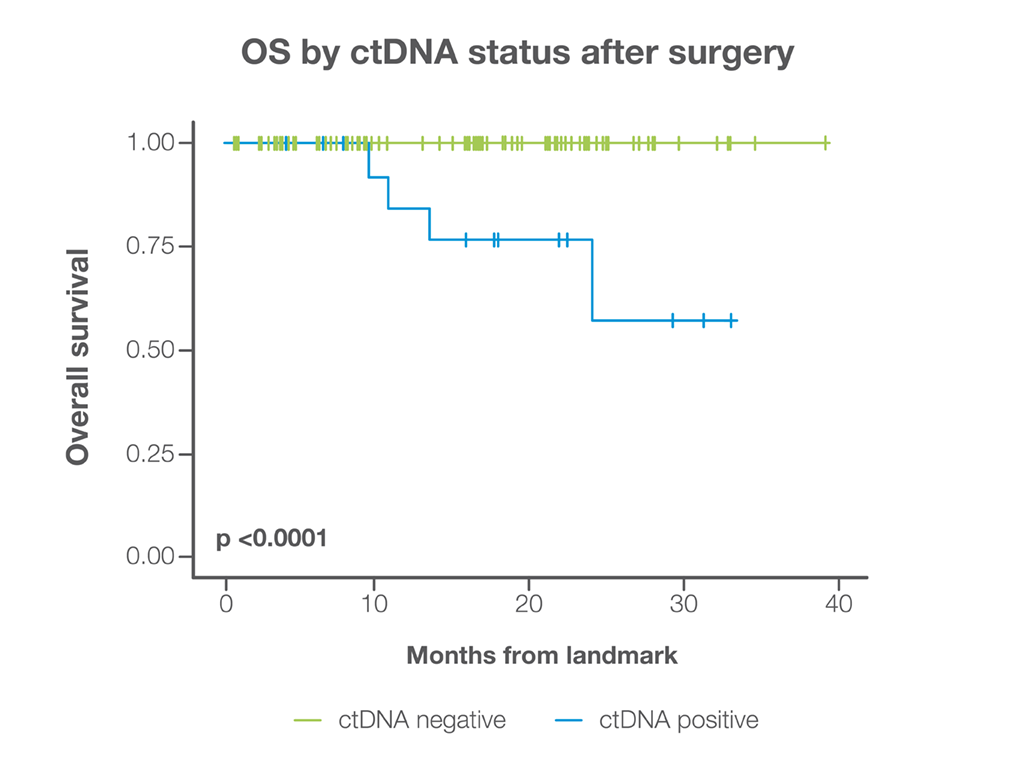
Signatera™ Genome predicted recurrence risk after surgery1
- Patients who tested positive with Signatera™ Genome between surgery and adjuvant therapy experienced a 10x higher risk of recurrence than those who tested negative.1
- Patients who tested negative achieved 100% OS through 18.8-month median follow-up.1,7
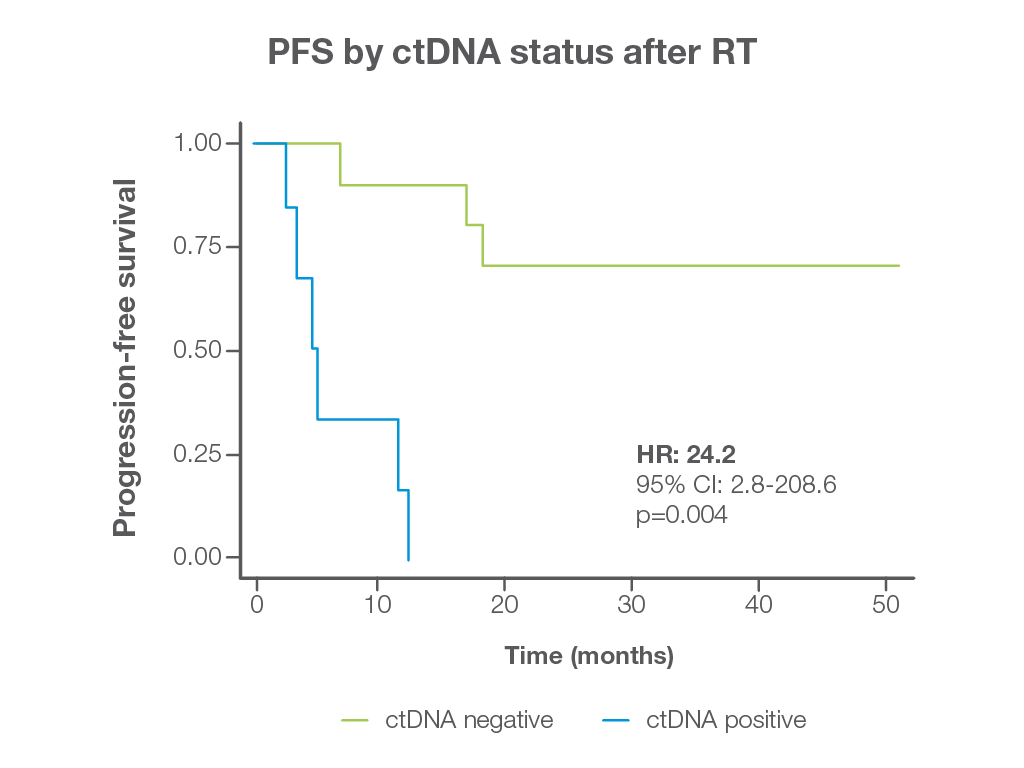
Signatera™ predicted progression after definitive RT/CRT2
- Every patient who tested Signatera™-positive at a single time point post-RT went on to progress.2
- Signatera™ positivity at the first post-RT time point was the only significant prognostic factor associated with PFS in multivariate analysis (HR: 13.4; p=0.02).2
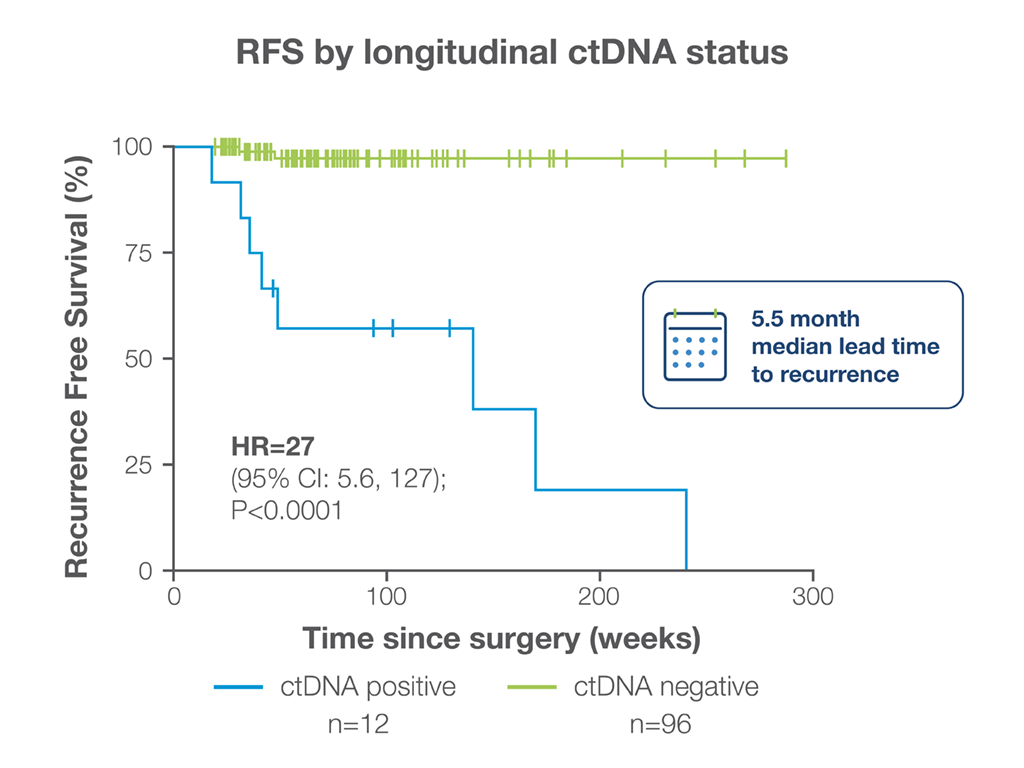
Signatera™ detected recurrence early, enabling earlier intervention
- Signatera™ detected extra-CNS recurrence with 100% sensitivity.3
- Every patient who tested Signatera™-positive received earlier referrals for imaging, and patients with positive PET scans received early referrals for treatment.3
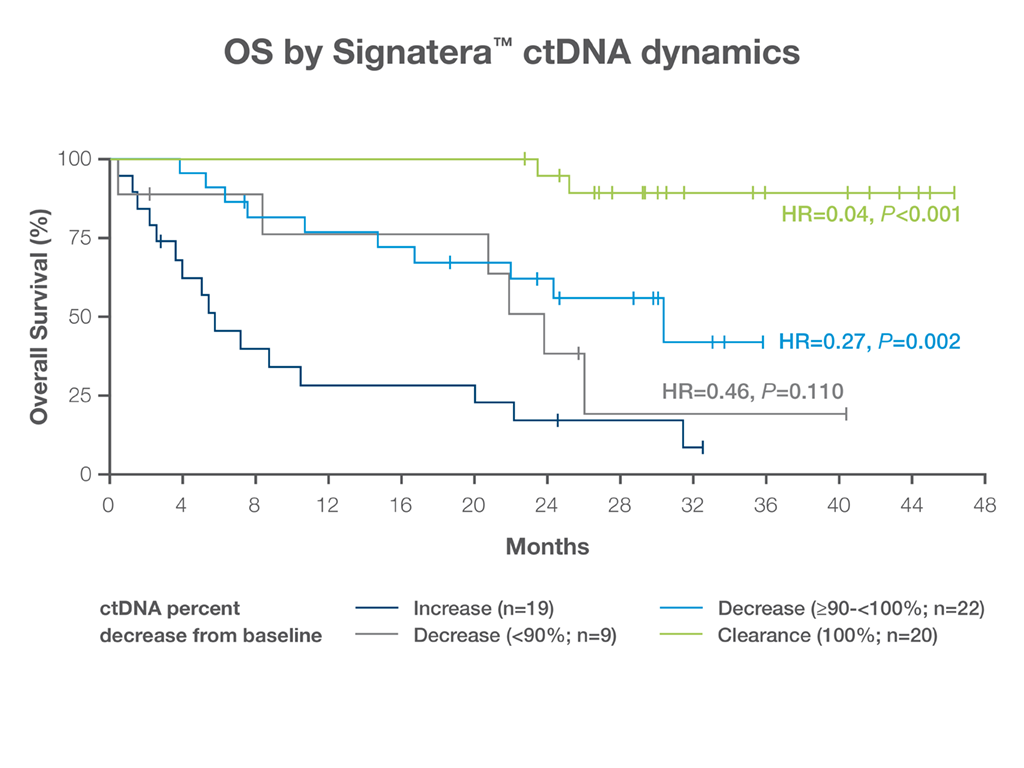
Signatera™ predicted response to metastatic ICI treatment4
- Signateraᵀᴹ identified patients with inferior OS after just 1 cycle of treatment.4
- Signateraᵀᴹ negativity (or a decrease of >90%) was associated with significantly improved OS.4
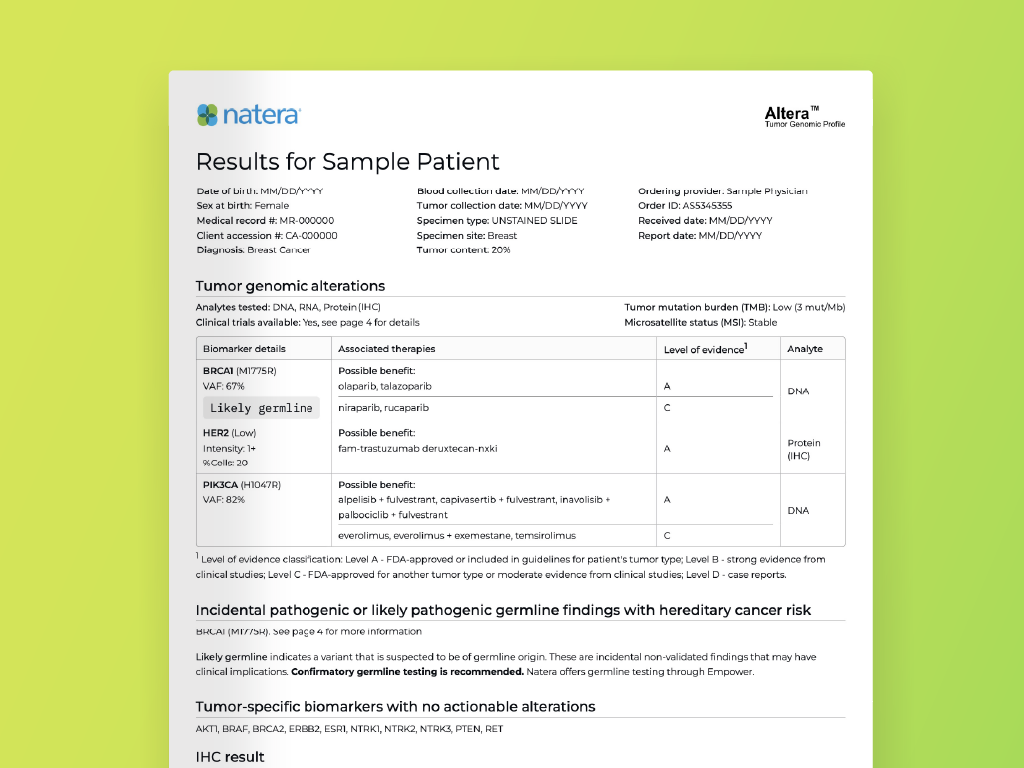
Signatera™ MRD + Altera™ tumor genomic profiling with just one tissue sample
Add the Altera™ tumor genomic profiling test when you order Signatera™ to get clinically relevant biomarkers (eg EGFR, KRAS, ALK, ROS1, MSI, TMB) and MRD monitoring with no additional sample.
Is Signatera™ for lung cancer right for your patients?
1Becherano G, Presented at the IASLC 2025 World Conference on Lung Cancer. September, 2025, Barcelona, Spain.
2Lebow E, et al. Frontiers in Oncology. 2023;13:1253629.
3Martin T, et al. Journal of Thoracic and Cardiovascular Surgery. 2024.
4Vokes N, et al. Poster presented at ASCO Annual Meeting, Chicago, IL, June 2023.
5Natera Data on File.