

Signatera™
Transforming the management of cancer with personalized testing
As pioneers and trusted leaders in the MRD testing space, Signatera™ has been characterized in >230 peer-reviewed publications and with now more than half a million patients tested. With this unrivaled clinical validation and real-world experience, clinicians can feel confident with the accuracy and reliability of a Signatera™ result.
Signatera™ Indications
Signatera™ is a circulating tumor DNA (ctDNA) assay and is custom designed for each patient to help identify relapse earlier than standard of care tools. Signatera™ can be used for a variety of cancer types. To learn more about how, please select your role and a cancer type.
Why circulating tumor DNA (ctDNA) for molecular residual disease assay (MRD) assessment?
- ctDNA is a powerful tool that can be measured to assess the absence or presence of MRD
- Signatera™ is a highly sensitive and personalized MRD assay using ctDNA and is custom designed for each patient to help identify relapse earlier than standard of care tools
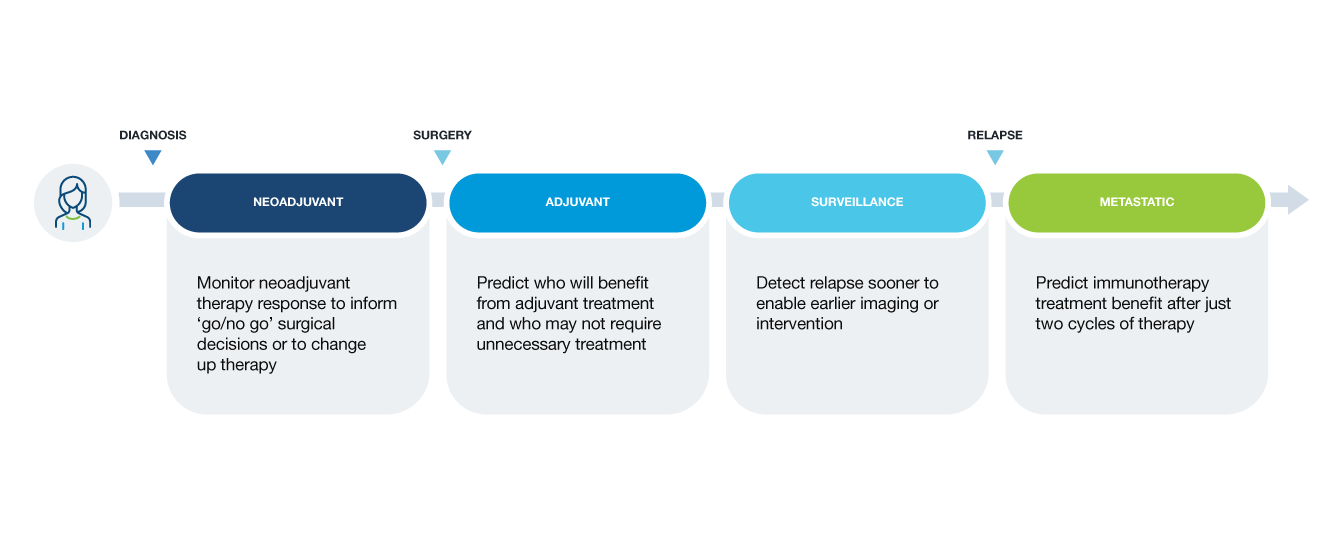
Clinical applications of ctDNA testing for MRD assessment
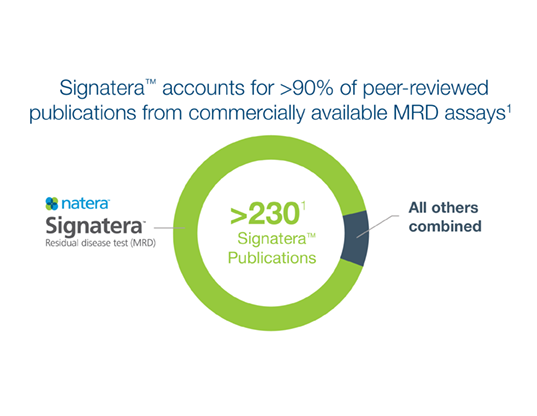
Not all MRD tests are created equal
Signatera™ is the most comprehensive MRD test available. Review our peer-reviewed publications here.
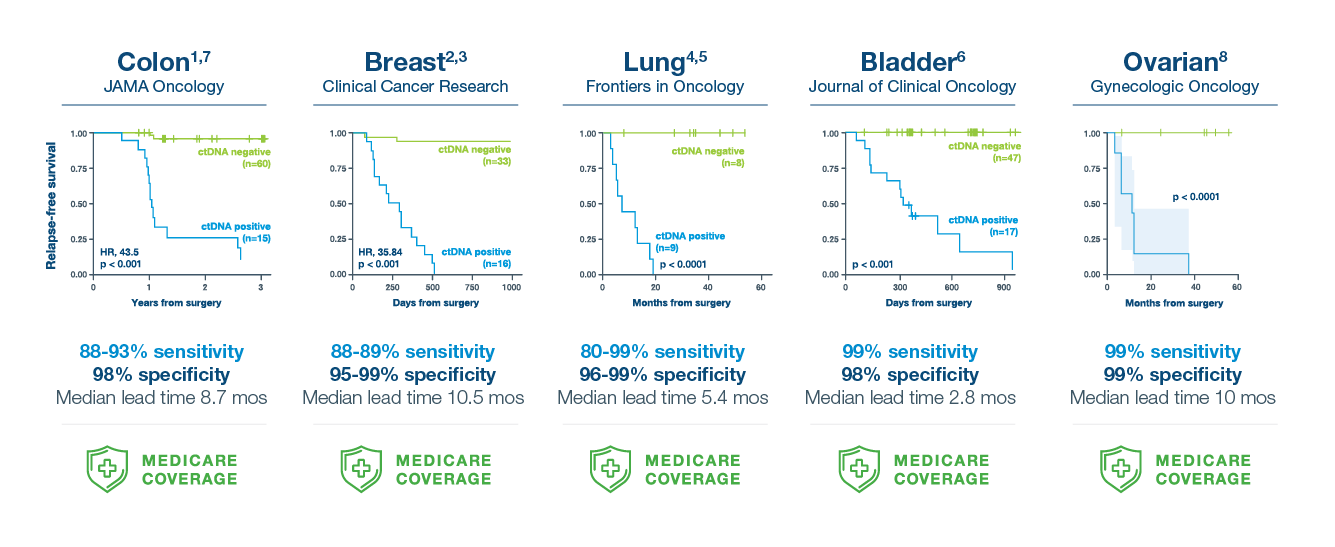
A positive Signatera™ result predicts relapse with overall positive predictive value more than 98%2-9
In clinical studies, Signatera showed high performance across multiple solid tumors
Signatera™ Genome sequences deeper on the most critical variants to provide a more clinically meaningful MRD signal
- Ultra-deep sequencing (up to 350,000x coverage for each selected variant) DRFS by ctDNA Status¹
- Highly curated selection of 64 clonal variants for optimized balance of ultrasensitivity and high specificity²
- Proprietary variant selection and calling algorithms for bespoke MRD monitoring

Signatera™ is the first tumor-specific assay for truly individualized cancer care
Personalized design for every patient
- Custom-built assay—based on the unique mutation signature of each patient’s tumor—identifies and tracks tumor mutations at the source
- Once a personalized assay is designed, a patient’s blood can be used to accurately monitor for the presence or absence of the disease over time
How Signatera™ Works: a personalized and tumor informed approach to MRD surveillance
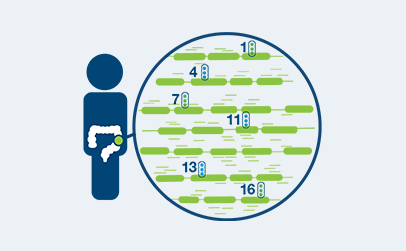
Personalized, tumor-informed assay
One-time, primary tissue sample and matched normal sample is required for whole exome or whole genome sequencing and personalized test design.
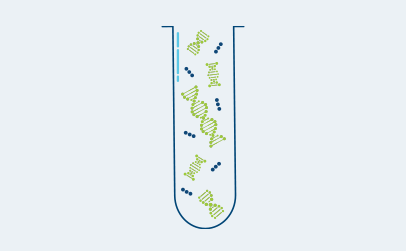
Ultrasensitive ctDNA detection
Signatera™ is designed to detect ctDNA of somatic and truncal variants to optimize sensitivity. Tumor-informed method enables filtering of CHIP mutations to decrease false positive rates.
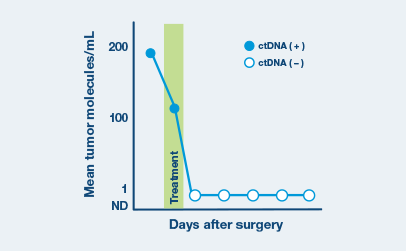
Optimized for longitudinal monitoring
Once the patient’s personalized test has been designed, only a blood sample is needed each subsequent time.
Covered by Medicare for multiple solid tumor indications






Is Signatera™ right for you?
We’re here to help you find out
References
1Nakamura Y, et al. ctDNA-based molecular residual disease and survival in resectable colorectal cancer. Nature Medicine. 2024.
2Shaw et al. Serial Postoperative Circulating Tumor DNA Assessment Has Strong Prognostic Value During Long-Term Follow-Up in Patients With Breast Cancer. JCO Precis Oncol. 2024.
3Martin T, et al. Early real-world experience monitoring circulating tumor DNA in resected early-stage non-small cell lung cancer. J Thorac Cardiovasc Surg. 2024.
4Christensen E, et al. Early detection of metastatic relapse and monitoring of therapeutic efficacy by ultra-deep sequencing of plasma cell-free DNA in patients with urothelial bladder carcinoma. J Clin Oncol. 2019.
5Huffman B, et al. Analysis of Circulating Tumor DNA to Predict Risk of Recurrence in Patients with Esophageal and Gastric Cancers. JCO Precision Oncology. 2022.
6Ansstas G, et al. Longitudinal ctDNA monitoring for post-surgical disease surveillance in patients with stage I-IIIb melanoma. Clinical Cancer Research. 2026.
7Hou JY, et al. Circulating tumor DNA monitoring for early recurrence detection in epithelial ovarian cancer. Gynecologic Oncology. 2022.
8Hanna et al. Personalized ctDNA for Monitoring Disease Status in Head and Neck Squamous Cell Carcinoma. Clin Cancer Res. 2024.
9Galanina et al. Real-World Evaluation of ctDNA for Risk Stratification Across the Spectrum of Both Aggressive and Indolent Lymphomas. Presented at ASH Annual Meeting. December 6-9, 2025.