

Why ctDNA testing with Signatera™ can help inform therapy decisions
Scans and exams are important, but very small amounts of cancer can be hard to detect. ctDNA testing looks for tiny fragments of tumor DNA in the blood. It is built from your tumor, so it is designed to track your cancer’s unique “fingerprint” over time.
Questions Signatera™ may help support in anal cancer
Your doctor may use Signatera™ as another tool, along with scans and exams to help answer questions like:
- After chemoradiation: Is the treatment working?
- During follow-up: Are there early signs that the cancer may be coming back?
- If a result changes: Should more testing or closer follow-up be considered?
- Published research in anal squamous cell carcinoma showed that Signatera™ results during treatment and surveillance were associated with differences in outcomes. If ctDNA is detected after treatment or during follow-up, your doctor may want to monitor you more closely with scans and other tests since patients who are ctDNA positive are at a higher risk of recurrence.

Ordering Signatera™
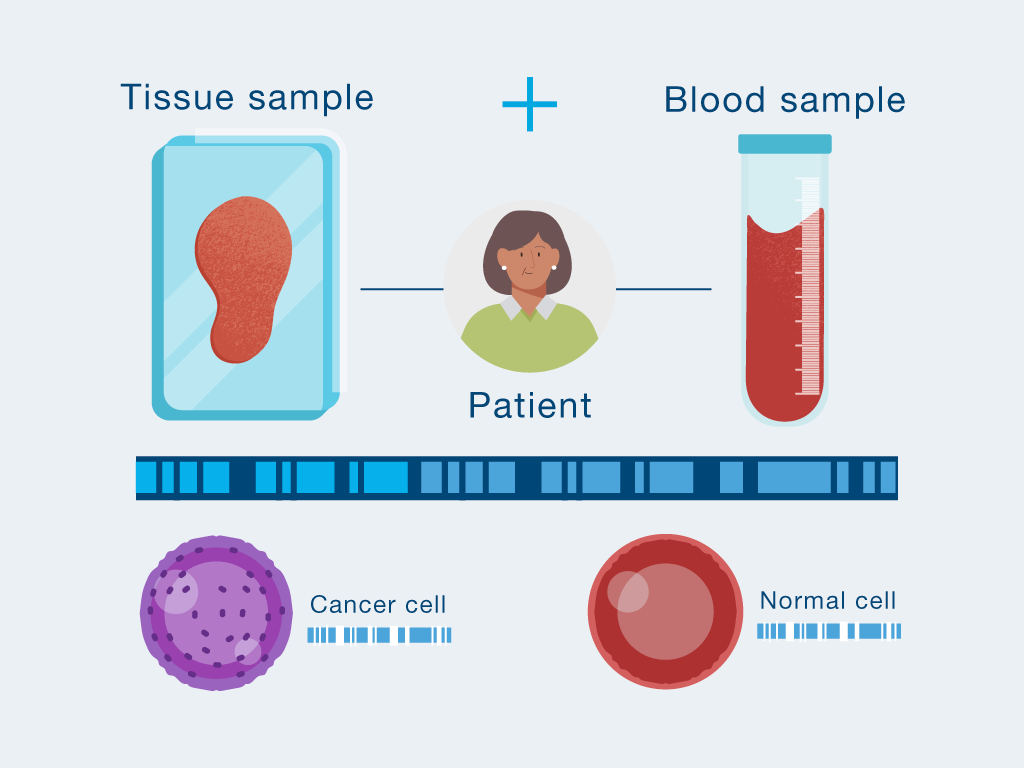
Built from your tumor
Signatera™ is a personalized ctDNA blood test. A one-time tumor sample is used to create your personalized test.

Designed to track tumor DNA over time
After your test is created, your doctor may order Signatera™ as part of follow-up blood draws over time. Results are reviewed together with scans, exams, and other parts of your care plan.
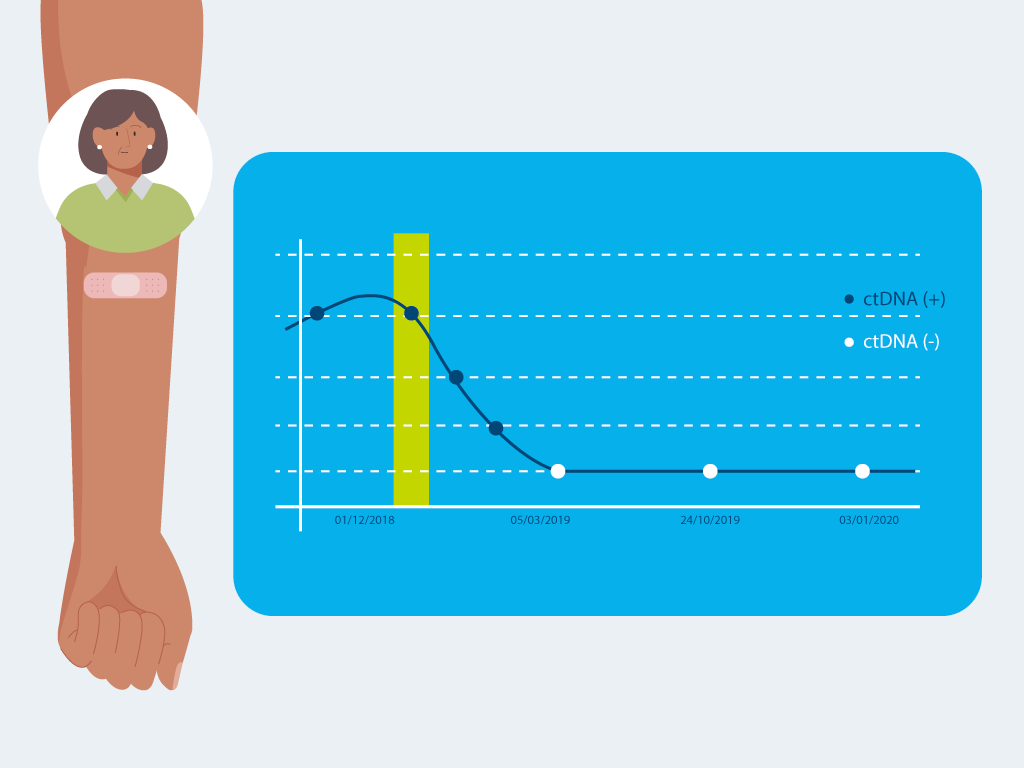
Monitoring during follow-up
Using your tumor tissue, Signatera™ is designed to look for your cancer’s specific “fingerprint” in the blood.
Is Signatera™ for anal cancer right for you?
References
1Romesser, P.B. et al. Tumor-informed circulating tumor DNA stratifies recurrence risk and survival in anal squamous cell carcinoma. Nat Commun (2026). https://doi.org/10.1038/s41467-026-69984-y