
Powering clinical decisions in uterine cancer

Understand risk
7.6x
more likely to experience recurrence if you are ctDNA positive within the first 3.5 months.1

Detect recurrence earlier
3.1 mo
median lead time – Signatera™ identified 100% of recurrences before imaging.1

Predict treatment response
100%
of patients who were serially Signatera™ negative remained recurrence-free, regardless of p53 and MMR status.1,2
Identify those at greatest risk of recurrence
Signatera™ positivity was highly prognostic for reduced RFS¹
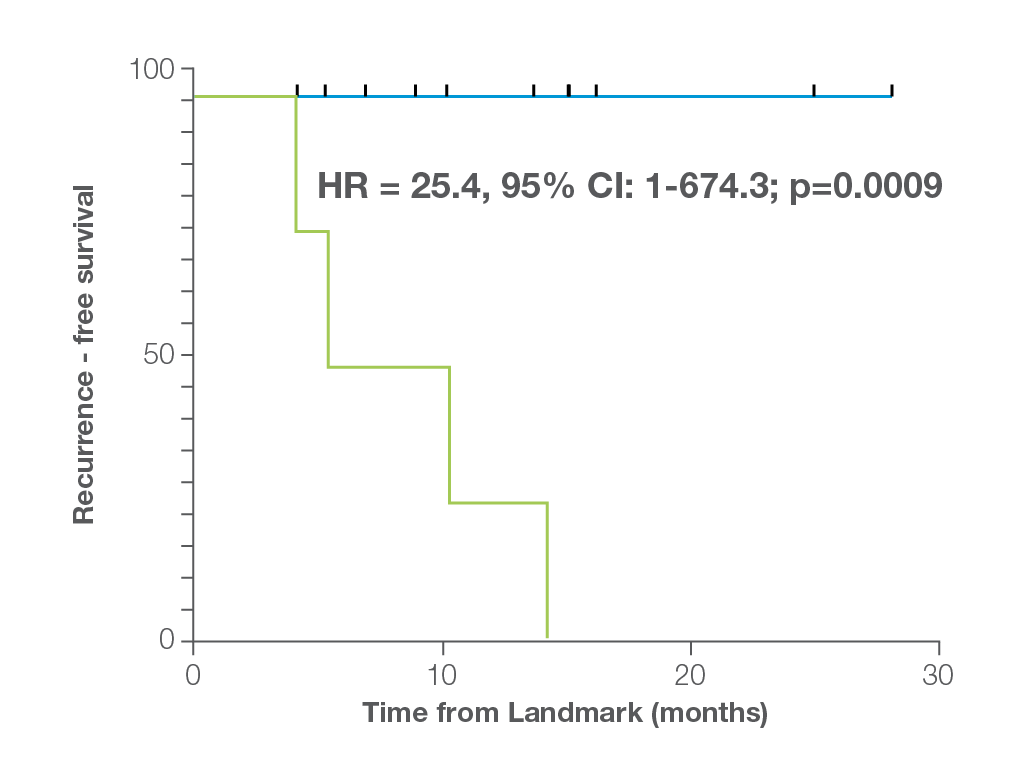
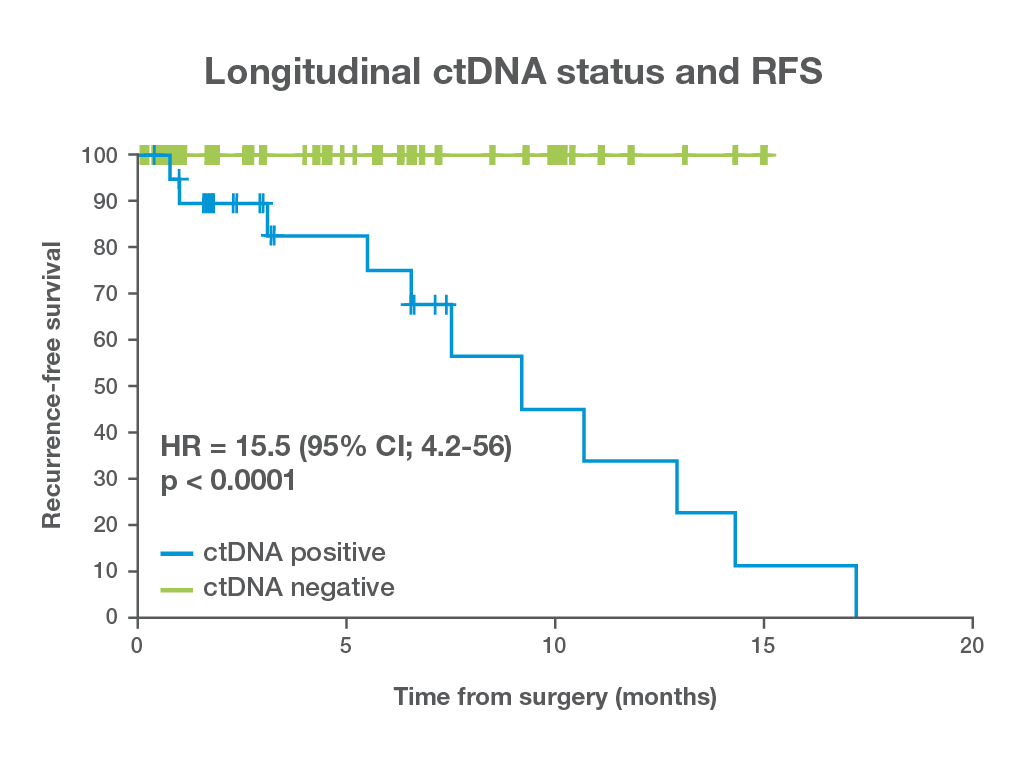
Signatera™ identified 100% of recurrences before imaging²
- Positivity at the first time point and longitudinally experienced inferior RFS.
- None of the serially negative patients experienced recurrence.
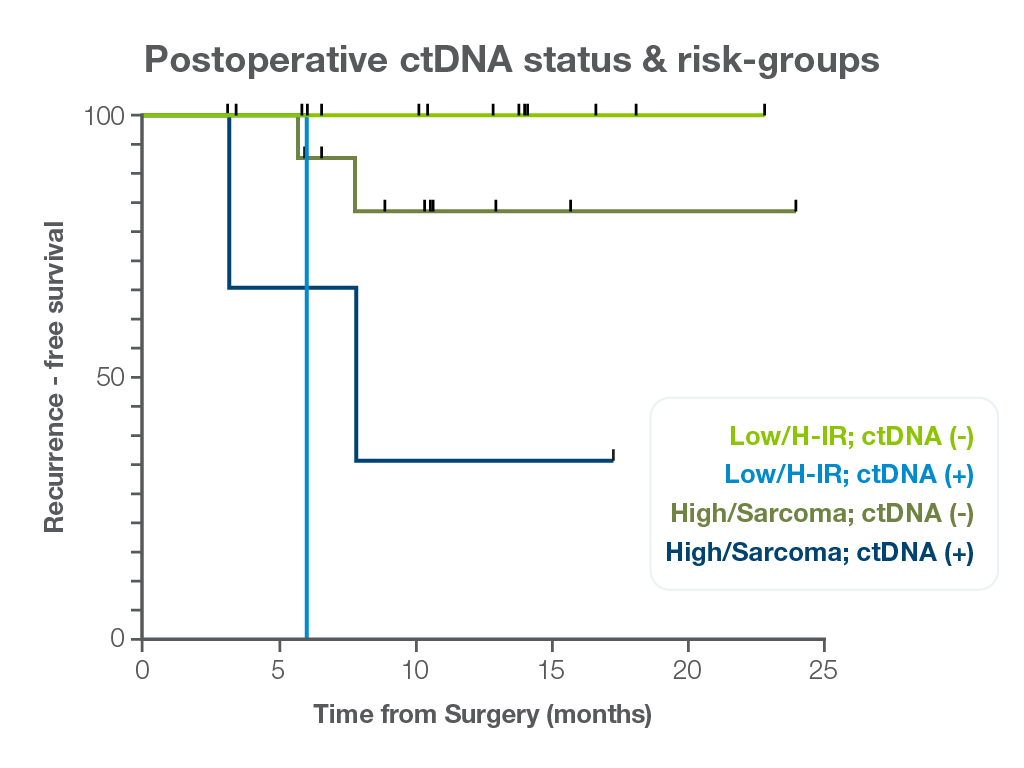
Signatera™ was the only significant risk factor for recurrence²
Tailor uterine cancer treatment with Natera’s portfolio of genomic tests

Altera™
Comprehensive genomic profiling for clinically relevant biomarkers that may help guide treatment selection (including MSI, BRCA 1/2, HR genes, MMR genes, TMB, BRAF, RET, and NTRK), with no additional timor sample needed.

Empower™
Germline genetic test for commonly screened genes in gynecologic cancers )eg BRCA 1/2, MMR genes) to inform therapeutic decisions.
Is Signatera™ for Uterine cancer right for your patients?
1Ketch, et al. Utilizing Circulating Tumor DNA (ctDNA)-based Molecular Residual Disease Detection for Postoperative Monitoring in Early-Stage Uterine Cancer. JCO Precision Oncology. 2025;9:e2500286.
2Recio F, Scalise CB, Loar P, Lumish M, Berman T, Peddada A, et al. Post-surgical ctDNA-based molecular residual disease detection in patients with stage I uterine malignancies. Gynecologic Oncology. 2024;182:63-69.
3Bratman SV, Yang SC, Iafolla MA, Liu Z, Hansen AR, Bedard PL, et al. Personalized circulating tumor DNA analysis as a predictive biomarker in solid tumor patients treated with pembrolizumab. Nature Cancer. 2020;1(9):873-881.