
Questions that can come up after cervical cancer treatment
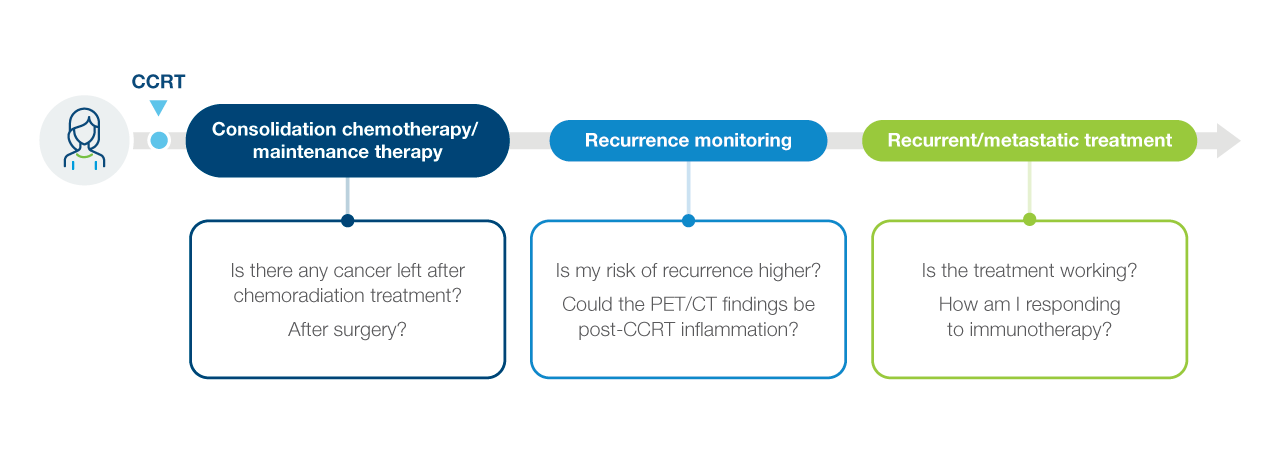
Built from your tumor, then tracked with blood draws
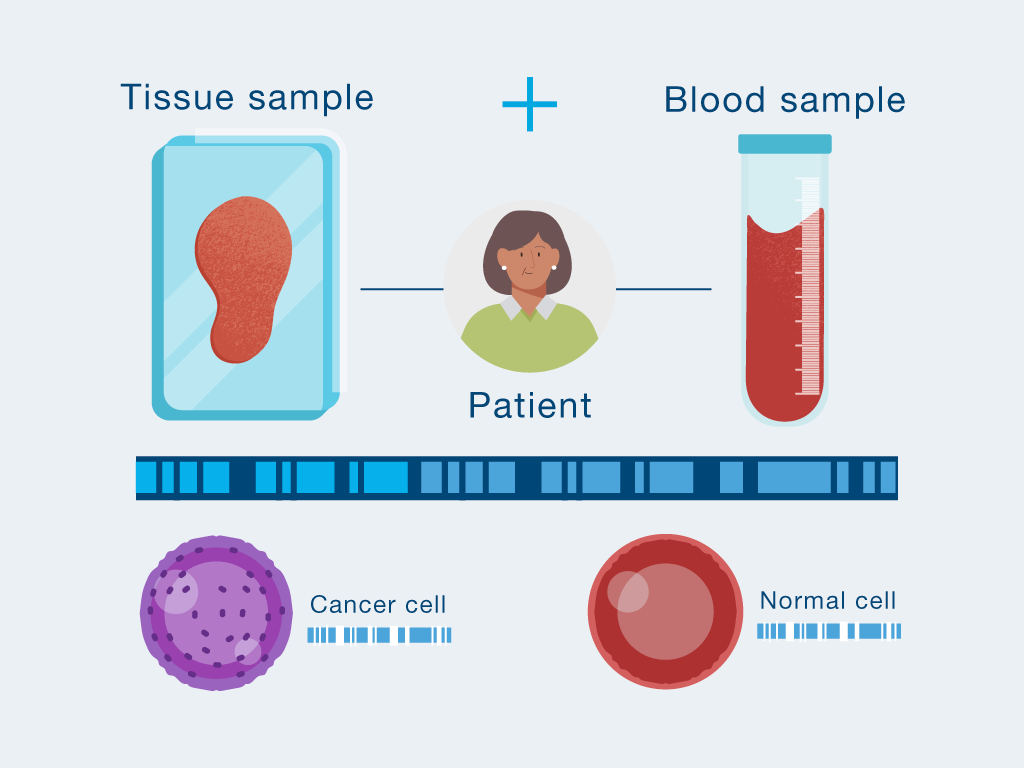
Step 1: Personalized test setup
A one-time tumor tissue sample and a blood sample are used to build your personalized Signatera™ test.

Step 2: Blood draw testing
After your test is built, each future Signatera™ test usually uses a blood sample to check for ctDNA that matches your tumor.
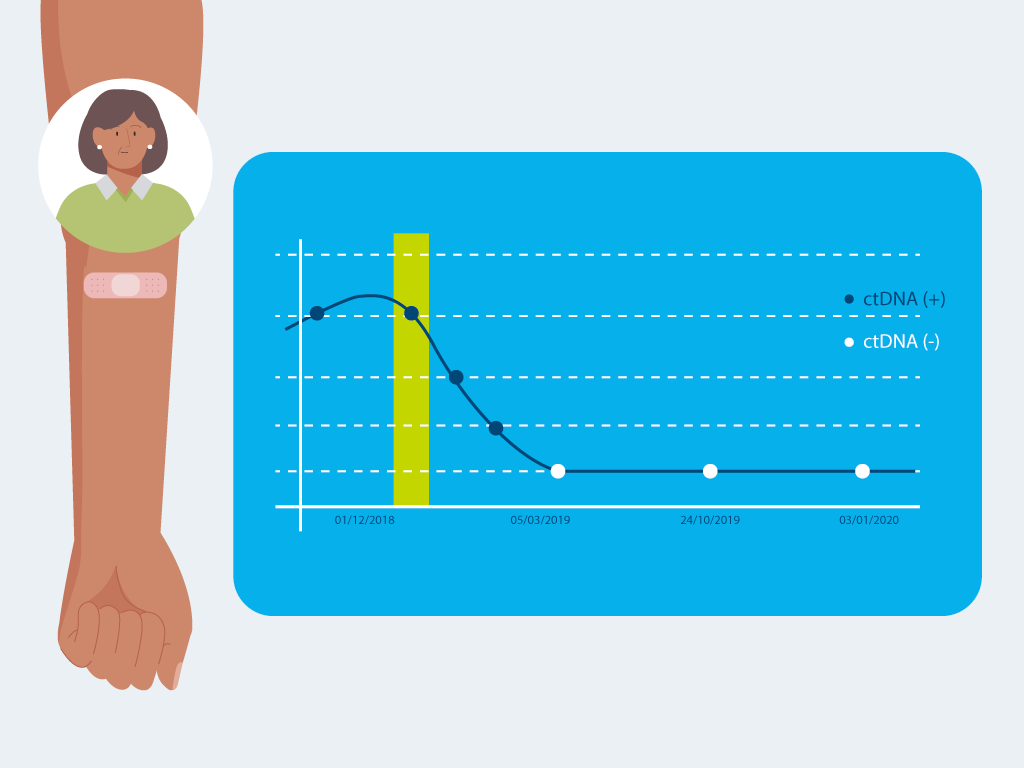
Step 3: Repeat testing over time
Repeated Signatera™ testing can show changes in ctDNA over time, which may help your doctor monitor for recurrence or track response to treatment.
Your doctor decides when testing is appropriate and how results are used with exams, imaging, and other labs.
Coverage and billing
Insurance coverage for Signatera™ can vary by cancer type, stage, and how the test is being used. Natera provides billing support and resources to help patients understand coverage and cost questions.
A fuller picture may include more than one test

Altera™ comprehensive genomic profiling (CGP)
Altera™ looks at tumor biomarkers and genomic changes that may help inform treatment planning and clinical trial discussions.

Empower™ hereditary cancer testing
Empower™ is a germline genetic test that looks for inherited cancer risk genes that may be relevant in gynecologic cancers. It may be considered based on your personal history and family history.
Cervical cancer ctDNA monitoring FAQs
Answers to common questions about Signatera™ and cervical cancer follow-up.
Is Signatera™ the same as a Pap test or HPV test?
No. Pap tests and HPV tests are used for screening and prevention. Signatera™ is a personalized blood test used after a cancer diagnosis to look for ctDNA from your tumor and help with monitoring over time.
Can Signatera™ be used if I did not have surgery?
In some cases, yes. Many people with cervical cancer are treated with therapies such as chemoradiation rather than surgery. Your doctor can decide whether Signatera fits your treatment path and follow-up plan.
Does Signatera™ replace pelvic exams or scans?
No. Signatera™ is designed to add information during follow-up. Your doctor will still use pelvic exams, imaging, symptoms, and other tests when making decisions.
What does a positive Signatera™ result mean?
A positive result means ctDNA was detected in that blood sample. This may be a sign your care team should look more closely, but it does not replace exams or scans. Your doctor will interpret the result in context.
What does a negative Signatera™ result mean?
A negative result means ctDNA was not detected in that sample at that time. Many patients find that reassuring, but no test can guarantee the cancer will not return. Follow-up should continue as recommended.
Can Signatera™ help monitor treatment response, including immunotherapy?
Natera’s gynecologic resources include treatment response monitoring and immunotherapy response monitoring use cases across gynecologic cancers, including monitoring as early as 6 weeks in gynecologic cancer settings. Your doctor can explain whether this applies to your care.
Do I need tumor tissue for Signatera™?
Yes. Signatera™ is tumor-informed, which means it is built using your tumor tissue first. After your test is built, future testing is done with blood draws.
Is Signatera™ covered for cervical cancer?
Coverage depends on your diagnosis, insurance plan and how the test is being used. Natera offers billing support to help patients understand coverage and cost questions.
Can Signatera™ help if my symptoms or imaging results are unclear?
Your doctor may use ctDNA testing as one more data point during follow-up when questions remain. Signatera™ results are interpreted alongside exams, imaging, symptoms and your treatment history.
Is Signatera™ for Cervical cancer right for you?
1Bratman SV, et al. Personalized circulating tumor DNA analysis as a predictive biomarker in solid tumor patients treated with pembrolizumab. Nature Cancer. 2020.